Rotting or Deteriorating Roofing Materials
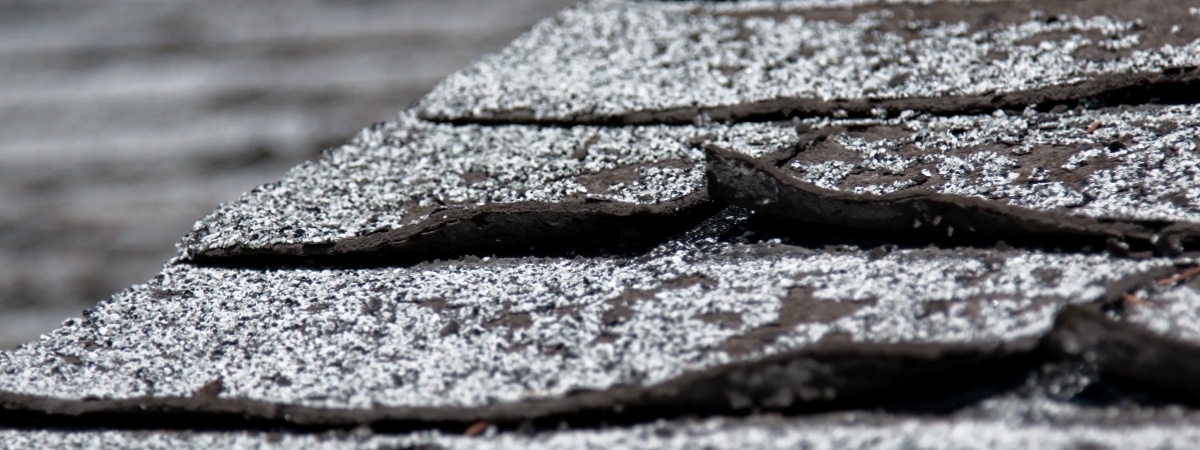
Maintaining a healthy roof is crucial for the longevity and overall integrity of your home. Homeowners frequently make the mistake of waiting until it’s too late to address signs of roof deterioration. Roof rot is a prevalent issue that, if neglected, can lead to costly repairs and structural damage.
We’ll examine roof rot warning signs in this blog post, along with ways to stop the damage from getting worse.
WHY IS ROOF ROT A PROBLEM?
Roof rot is a serious threat because it originates from water-related sources. The growth of moss, fungi, and mold is encouraged by this moisture, which can cause wooden roofing components to deteriorate.
If roof rot is allowed to continue, it can quickly weaken the roof’s structural stability and raise the possibility of leaks, collapses, and additional damage. Roof rot frequently goes unnoticed until considerable damage has been done, requiring expensive repairs or possibly a total roof replacement.
That is why it’s critical to treat roof rot as soon as possible to stop more damage and preserve the integrity of your home.
WHAT ARE SIGNS OF ROOF ROT AND HOW TO IDENTIFY THEM
1. SAGGING ROOF
A sagging roof means it might be rotting. Rain and leaks can make the roof supports weak, causing it to droop. If you see parts of your roof sinking, it’s important to fix it soon to stop more damage.
2. WATER SPOTS ON CEILING
The presence of water spots on your ceiling may indicate a leaky roof, which means moisture is entering your house. It can cause the structure beneath your roof to rot if you ignore it. Look for these areas on your ceilings frequently, and address them right away.
3. MOLD AND MILDEW
Both mold and mildew thrive in moist environments. If you find them in your home, it may indicate that the roof is decaying.
4. BROKEN FLASHING
Flashing is important for keeping water out of vulnerable spots on the roof. If it’s damaged, water can leak into your home and cause deterioration.
5. BOWED OR SAGGING RIDGE
An uneven or sagging ridge on the roof suggests potential rot in the support beams or underlying structure.
6. DEBRIS IN GUTTERS
Finding sand-like particles in your gutters is a common sign of aging roof shingles shedding their granules. Gutter maintenance is important in ths case because this loss of granules can leave the roof vulnerable to water damage and rot.
7. VISIBLE ROT OR DECAY
It’s critical to take immediate action if you see any obvious indicators of rot or decay on your roof, such as soft spots, crumbling wood, or discolored areas. Since rot can spread quickly and jeopardize your roof’s structural integrity, it’s important to detect it early and take action to stop significant damage.
COMMON CAUSES OF ROOF ROT
1. CONDENSATION BUILDUP
Moisture accumulation in the attic fosters roof rot by creating a favorable environment for mold and mildew growth. When warm, moist air meets colder surfaces, water droplets can form, promoting this growth.
2. HUMIDITY AND TEMPERATURE SWINGS
Fluctuations in humidity levels, often caused by temperature changes in the attic, contribute to roof rot. This may lead to moisture retention and fungal growth, accelerating the decay of wooden roof components.
3. VENTILATION PROBLEMS
Insufficient roof ventilation restricts airflow, trapping moisture in the attic and hindering its evaporation. This lack of ventilation allows moisture accumulation, increasing the risk of roof rot.
4. WATER LEAKS
Water seepage from damaged roofing materials or plumbing issues can infiltrate the roof structure, causing moisture buildup and subsequent rot. Prompt identification and repair of leaks are vital to prevent extensive damage and roof rot.
5. WOOD-DAMAGING FUNGI
Fungi thrive in damp environments, hastening the decay of wooden roof components. Wood-degrading fungi contribute significantly to the deterioration of roofing materials, weakening the structure and promoting roof rot.
HOW LONG DOES IT TAKE FOR ROOF ROT TO DEVELOP?
Depending on the circumstances, roof rot can advance at varying rates. One of the most common problems with roofs is dry rot, which can spread rapidly in ideal conditions (66-70 degrees and 30-40% moisture).
In contrast, wet rot grows in moist environments, with environmental dampness influencing how quickly it spreads. Dry rot spores begin to germinate about 7 to 10 days after wood becomes sufficiently damp, but both types of rot can spread fairly quickly after being exposed to moisture.
That is why it is crucial to address any signs of roof rot promptly and keep an eye out for the causes that may lead to it.
TIPS FOR PREVENTING ROOF ROT
1. REGULAR INSPECTIONS
Conduct routine roof inspections at least twice a year, ideally in spring and fall, to catch potential issues early. Look for signs of damage such as sagging areas, missing shingles, and water stains, which could indicate roof rot. Prompt identification can prevent problems from worsening.
2. PROPER VENTILATION
Ensure proper ventilation in your attic to prevent moisture buildup, a leading cause of roof rot. Install vents or fans to facilitate airflow, allowing excess heat and moisture to escape. Adequate ventilation reduces the risk of rot and extends the lifespan of your roof.
3. PROMPT REPAIRS
Address any suspected roof rot or signs of damage promptly. Even small issues can escalate if left unattended. Depending on the severity, you may be able to handle repairs yourself or may need professional assistance to prevent further damage.
4. CONSIDER REPLACEMENT
If the roof rot is extensive or the shingles are near the end of their lifespan, consider a full roof replacement. While repairs may suffice for localized damage, a replacement offers long-term benefits such as improved durability, energy efficiency, and aesthetics. Evaluate the cost versus the benefits for a well-informed decision.