Emergency Roof Leak Repair
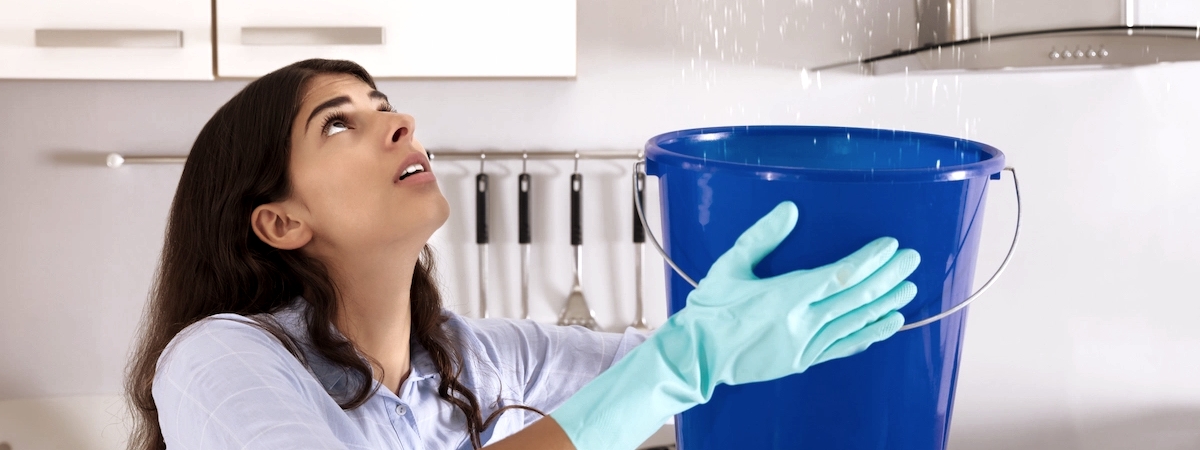
If your roof begins leaking, you must determine the situation’s urgency. Emergency roof repair services are often available 24/7 but are costly, particularly on nights and weekends. Sometimes, you can provide a temporary fix yourself and wait for normal business hours to call for service. In truly urgent situations, you should call a roofing professional immediately. We’ll explain how to tell the difference and what to do when you notice a leak.
Leaking Roof
A leaking roof poses immediate risks to your property’s integrity and your peace of mind. Whether it’s a slow drip or a sudden downpour, water intrusion can lead to extensive damage, including compromised structural integrity, mold growth, and property damage.
Addressing a leaking roof promptly is crucial to prevent further harm and costly repairs. A leaking roof can stem from various issues such as damaged shingles, deteriorated flashing, or improper installation. Identifying the source of the leak requires a thorough inspection by a qualified professional.
If you notice signs of a leaking roof, such as water stains on ceilings or walls, damp spots in the attic, or curling shingles, it’s essential to take action immediately. Ignoring a leaking roof can lead to more significant problems over time, impacting both your property’s value and your safety.
To mitigate the risks associated with a leaking roof, consider scheduling a professional inspection and repair service. A qualified roofing contractor can assess the extent of the damage, identify the underlying causes of the leak, and recommend appropriate solutions to address the issue effectively.
Remember, proactive maintenance and timely repairs are key to protecting your property from the damaging effects of a leaking roof. Don’t wait until it’s too late – prioritize the health and integrity of your roof by addressing leaks promptly and effectively.
What to Do When You First Notice a Roof Leak
Here’s what to do as soon as you spot water leaks.
- Assess for safety hazards: Ensure the leak isn’t endangering you or your family. Dry slippery floors, or shut off the power if you think your home’s wiring may be affected. Even a small leak near the fuse box can be a substantial safety hazard. If you think there’s any chance your roof may collapse, evacuate your home.
- Mitigate water damage: Once you’ve mitigated safety hazards, prevent further damage by using buckets or other receptacles to catch water. You can also use a shop vac and run a dehumidifier. Move furniture, and relocate valuables as necessary.
- Locate the leak’s source: Often, the leak is not directly above the dripping or pooling water. If you can access your attic, check for wet spots, water stains, dark streaks, discoloration, or condensation. Leaks will most likely develop around skylights and chimneys or at corners, joints, and roof valleys. If you have no attic or can’t access it, visually inspect the roof from the ground.
- Assess the severity:Determine whether this is an emergency. Here are signs that you need urgent roof leak repair.
- Water stain larger than three inches across
- Running or puddled water indoors
- Visible roof damage
- Leaks around fuse box or other wiring
- Multiple ceiling leaks
- More storms or high winds in the immediate weather forecast
Temporary Repairs You Can Do Yourself
If you determine your roofing problems aren’t an emergency, you can make quick do-it-yourself (DIY) fixes while waiting for permanent repairs. Prioritize your safety and never walk on a wet roof or one you suspect has sustained structural damage.
Materials Needed
Depending on the damage type and extent, here are some supplies you might need:
- Buckets
- Hammer
- Ladder
- Lumber (or other heavy objects)
- Replacement shingles
- Roofing cement, caulk, or rubber sealant
- Roofing nails
- Waterproof tarp
Step-by-Step Process
Steps to temporarily repair a leaky roof.
- Start with proper ladder and roof safety. Set the ladder’s feet about 3 feet away from the roof’s edge and secure the top if possible. Wear non-slip shoes and secure any items you bring up with you. Don’t climb on the structure if you have any doubts about its structural integrity.
- Document the damage, even if you’re unsure whether you’ll file an insurance claim. Take pictures if possible.
- The simplest fix involves spreading a tarp over the affected area and weighing it down with lumber or other weighty material. Ensure one tarp edge is secured on the opposite side of the roof’s peak so water can’t run underneath the tarp.
- If the damage is a small puncture, fill it with epoxy, roofing cement, or rubber sealant. Brush any granules or debris away from the hole, and use the product according to the manufacturer’s instructions.
- If you spot loose or missing shingles, secure them or replace them using extra shingles you may have lying around. Take care when inserting roofing nails, as you don’t want to cause further punctures. It may be better to use sealant.
- Call your insurance company to begin the claims process. They’ll assign an adjuster to help you with the next steps.
- If you’re not using insurance, schedule a roof inspection, or call a local roofing contractor to perform permanent repairs.
Professional vs. DIY Roof Leak Repair
Apart from small, temporary fixes, it’s crucial to rely on a licensed roofing company for emergency roof leak repairs. At Pro Roofing Masters, we specialize in emergency roof leak repair and understand the complexity and importance of roofing systems in safeguarding your entire property. Our expert technicians are trained to spot damage that might be overlooked, and they possess the skills to address issues under roof shingles or other surface materials. Don’t delay in calling us at 888-895-3359. The consequences of unchecked water damage can be severe and costly, making it imperative to enlist the assistance of licensed roofers promptly.