New Roof Cost
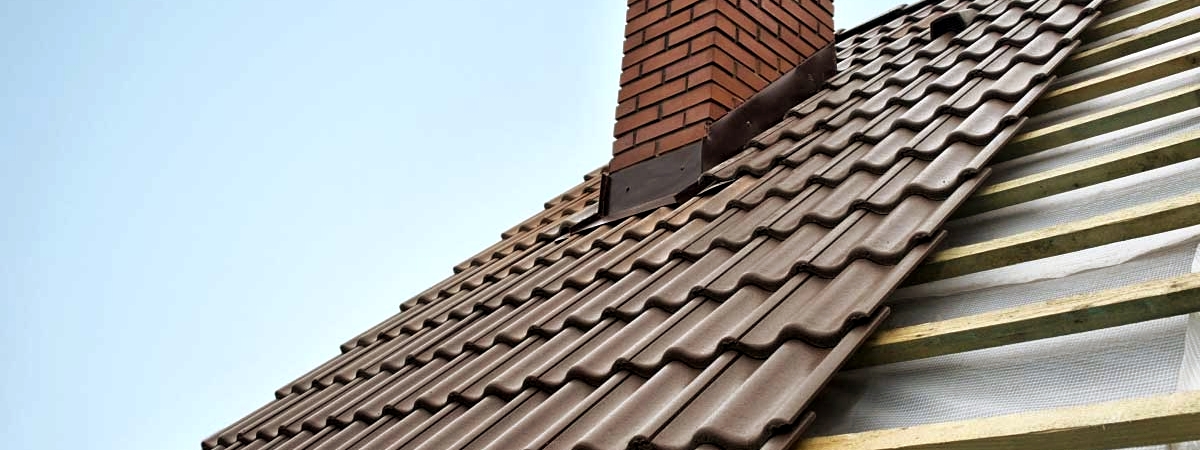
Roof Estimate Cost
The average cost of a new roofing quotes in Los Angeles is $8,000 to $30,000. This is a big range of pricing, and your cost could be higher or lower depending on several variables. The first thing to consider is counter-intuitive: roof replacement costs on a larger house will often be less than on a smaller house. Let me explain: If you have a single-story house, the size of your roof is often bigger than on a two-story house (which only has one roof that covers both stories).
With that being said, a second or third-story roof is higher and might be harder to access, so labor costs could increase to some extent. Also, roofs with a steeper pitch could require extra safety precautions for the roofer, adding to the cost. Finally, homes with complicated roofs would be more expensive as they require more labor and materials to deal with items like multiple chimneys, skylights, dormers or protruding bay windows, extra flashing or valleys/gutters, etc.
When a roofer gives you an estimate to replace a roof, it will generally encompass all aspects of the job including:
- Materials
- Demolition
- Waste removal
- Any other supplies they may use
And when it comes to measuring the size of your roof, they usually calculate it using a measurement called “roofing squares” which equates to 100 SF or 10ft x 10ft sections. If you have a 1000sf roof, a roofing company should give you a price for 10 roofing squares.
How Does Roofing Material Affect the Average Roof Replacement Cost in Los Angeles?
Roof replacement cost in Los Angeles largely depends on the roofing materials on your current roof. Although there are a number of materials used for roofing including slate, metal, clay tile, and shake, the most common roofs locally are concrete tile and asphalt shingle. The cost to replace a roof with an asphalt shingle will be lower than with concrete tile. More likely than not, you will be using the same or similar materials as your current roof.
With asphalt shingles, the roofer will remove your current roofing material down to the plywood; and then install new shingles. On the other hand, with concrete tile, the roofer will remove your roof tiles, replace the worn felt underlayment (roofing paper), and put those same tiles back. So, with concrete tile roofs, the cost of material is less since the tiles are re-used, but the amount/cost of labor is significantly higher.
What Other Items Affect the Roof Replacement Cost?
First and foremost, the size of your roof will dictate the cost to replace a roof in Los Angeles. Next, is the difficulty of your specific roof, both in height, pitch, and in complexity. If you choose a unique roofing material, that will obviously increase the cost, or if you choose underlayment that is of higher quality.
In addition, once the roofer has removed the roofing material, they will be able to see if there are other portions of the roof that need repair or replacement. For example, if your roof has been leaking, the roofer might find there is rotted, decayed, or damaged plywood on the roof which needs replacement. Also due to wind, water, or termite damage, they could also recommend the repair or replacement of fascia boards, gutters, flashings, etc. Just make sure you acknowledge that these surprises can increase your roof replacement cost.
When researching “roofing cost near me”, make sure that you’re looking at roofing pricing for Los Angeles or Southern California, as these areas will be more expensive than other parts of the country. And keep in mind that replacing your roof during ‘the rainy season’ could cost more because roofing companies are especially busy during this time of the year. Ideally, you might want to re-roof during the summer months.
Seasonal Considerations
Understanding the impact of seasons on roof replacement is crucial for homeowners navigating this significant investment. Seasonal considerations play a pivotal role in both cost-effectiveness and the overall success of the project.
Summer Advantage
Opting for roof replacement during the summer months offers several advantages. Dry weather conditions are conducive to efficient installation, ensuring that roofing materials adhere properly. Contractors are often more available during this season, reducing potential delays. Additionally, homeowners may find competitive pricing as demand tends to be lower compared to the peak of the rainy season.
Winter Challenges
Conversely, winter poses challenges for roof replacement projects. Cold temperatures can affect the flexibility of certain roofing materials, potentially impacting the installation process. Snow and ice accumulation (in colder parts of California) may hinder accessibility to the roof, leading to delays and increased labor costs. However, scheduling a roof inspection during winter can help identify issues early, allowing homeowners to plan for a more suitable replacement timeframe.
Fall and Spring Considerations
Fall and spring offer a balance, with moderate temperatures and fewer weather-related obstacles. However, spring is often a popular time for roof replacements, potentially resulting in higher demand and increased costs. Homeowners should carefully weigh these factors and consult with contractors to determine the optimal seasonal window for their specific roofing needs.
When Do I Need to Replace My Roof?
If you haven’t replaced or repaired your roof in 20+ years, it’s time to start thinking about getting it inspected by a local roofer, even if you’ve had no leaks. Most roofs in SoCal will likely last for 15-30 years, depending on the roofing shingle material. It’s easy for an experienced roofer in Los Angeles to take a quick peek at your roof and give you an assessment. For a tile roof, they would actually lift off a few easily accessible tiles and look at the condition of the roofing paper underneath. If they find that it’s getting brittle (baked by the sun/heat), that’s probably a sign that it’s nearing its useful life.
With an asphalt shingle roof, you might be able to see issues just by looking at the roof. If you see any cracking, deformation, or ‘waviness’ in the roofing material, that’s a sign it’s starting to wear out. Also, once the little ‘sand-like’ granules that make up the shingle start coming off (or the shingle starts to look bare), that’s another sign it won’t last much longer.
Another clue that you might need a roof replacement soon is when you start seeing your neighbors replacing their roofs, as most communities were built around the same time. Or if your neighbors start complaining or leaks after a rainstorm. Of course, if you see any damage to your roof shingles, flashing, etc. after a windstorm or rainstorm, that’s another sign that you’ll need some roof repair.
If you’re thinking about installing solar panels on your roof, it’s a good idea to find out if your roof is getting old. The last thing you want to do is install solar panels on top of an old roof and have it start leaking shortly thereafter. Then you’d be required to remove the solar panels to replace the roof; a major headache.
Which Roofing Shingles Do I Choose?
Firstly, remember that if you live in an HOA (homeowners association), your community probably has CC&Rs (design guidelines), and you, therefore, have to abide by their requirements for roof material, color, shape, etc. You may even need to get HOA approval before replacing your roof, so start by inquiring with your association or property management company.
Equally as important is the look and style of the roofs in your neighborhood. Unless you desire to stick out like a sore thumb, you’ll want to go with similar materials as the homes in your neighborhood. If you go with a strange-looking material (or color) as compared to their neighbors, that could adversely affect your home’s resale value.