Roofing Coating
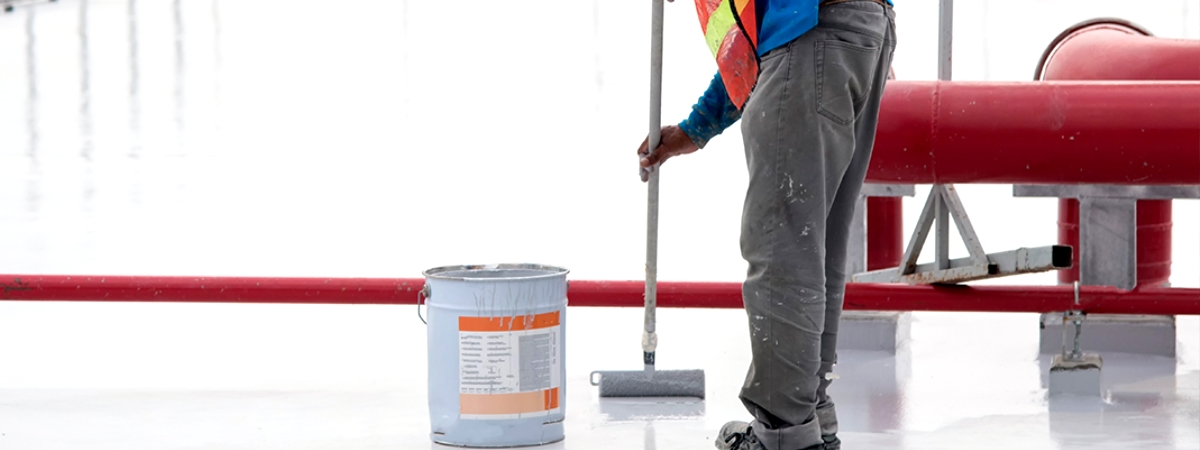
Roofing coating has emerged as a revolutionary solution in the realm of construction and maintenance, offering a multitude of benefits and applications for both residential and commercial properties. In this comprehensive guide, we delve deep into the world of roofing coating, exploring its various types, advantages, applications, and considerations for optimal usage.
Types of Roofing Coating:
Acrylic Roof Coating: Acrylic coating is prized for its flexibility and durability. When applied, it forms a seamless membrane over the roof surface, offering robust protection against UV rays, weathering, and water infiltration. Its versatility makes it suitable for various climates and roof types.
Silicone Roof Coating: Silicone coating is renowned for its exceptional waterproofing properties and resistance to ponding water. It provides long-lasting protection, making it an ideal choice for flat or low-sloped roofs where water accumulation is a concern. Silicone coating offers reliable performance even in harsh weather conditions.
Polyurethane Roof Coating: Polyurethane coating boasts high tensile strength and excellent resistance to chemical exposure. It is favored for its ability to withstand harsh environmental elements and provide superior insulation. Polyurethane coating is particularly suitable for roofs that require robust protection against extreme conditions.
Elastomeric Roof Coating: Elastomeric coating offers elasticity and crack-bridging capabilities, making it highly effective in sealing roof cracks and preventing water penetration. It can accommodate substrate movement without compromising its protective properties, making it suitable for various roof substrates and climates.
Bituminous Roof Coating: Derived from asphalt or coal tar, bituminous coating provides outstanding waterproofing and weatherproofing properties. It forms a durable protective layer that enhances the longevity of the roof system, making it an excellent choice for areas prone to heavy rainfall or extreme weather conditions.
Advantages of Roofing Coating:
Enhanced Durability: Roofing coating extends the lifespan of the roof by shielding it from UV radiation, extreme temperatures, and moisture damage. It acts as a protective barrier, reducing wear and tear on the roof substrate.
Energy Efficiency: Certain types of coating, such as reflective coatings, help to reduce heat absorption, thereby lowering cooling costs and contributing to energy savings. By reflecting sunlight away from the building, these coatings help maintain a comfortable indoor temperature.
Cost-Effectiveness: Compared to roof replacement, coating offers a more economical solution for restoring and preserving existing roofs. It helps to prolong the service life of the roof, thereby reducing long-term maintenance expenses and avoiding the need for costly replacements.
Seamless Protection: Roofing coating forms a seamless, monolithic layer over the roof surface, eliminating seams and joints where leaks often occur. This seamless protection minimizes the risk of water infiltration, ensuring the integrity of the roofing system.
Environmental Sustainability: Many roofing coatings are formulated with eco-friendly materials and contribute to sustainable building practices. By reducing waste and energy consumption, these coatings help to minimize the environmental impact of roofing projects.
Applications of Roofing Coating:
Roof Restoration: Roofing coating serves as a cost-effective alternative to roof replacement, rejuvenating aging roofs and prolonging their service life. It can restore the appearance and functionality of the roof, enhancing its performance and durability.
New Construction: Roofing coating can be applied to newly constructed roofs as a preventive measure to enhance durability and weather resistance. By protecting the roof from the outset, coating helps to prolong its lifespan and reduce maintenance requirements over time.
Flat and Low-Sloped Roofs: Coating is particularly well-suited for flat or low-sloped roofs where traditional roofing materials may be less effective. These roofs are prone to water ponding and leakage, making coating an ideal solution for providing seamless protection against water infiltration.
Commercial Buildings: Many commercial properties benefit from the application of roofing coating due to its ability to protect large roof areas and reduce maintenance requirements. Coating helps to preserve the integrity of the roof, ensuring uninterrupted business operations and minimizing downtime.
Industrial Facilities: Roofing coating is extensively used in industrial settings to safeguard roofs from chemical exposure, abrasion, and other harsh conditions. It provides durable protection against a wide range of environmental hazards, helping to maintain the structural integrity of industrial buildings.
Considerations for Optimal Usage:
Surface Preparation: Proper surface preparation is crucial for ensuring adhesion and performance. This may involve cleaning, repairing, and priming the roof substrate before applying the coating. Thorough preparation helps to maximize the effectiveness and longevity of the coating.
Climate and Weather Conditions: Consider the local climate and weather patterns when selecting the appropriate type of coating. Certain formulations may perform better in specific environmental conditions, so it’s essential to choose a coating that can withstand the prevailing climate.
Application Method: Depending on the type of coating and roof substrate, various application methods such as spraying, rolling, or brushing may be employed. Each method has its advantages and considerations, so it’s essential to select the most suitable approach for achieving the desired thickness and coverage.
Maintenance Requirements: While roofing coating offers long-term protection, periodic inspections and maintenance are necessary to address any damage or deterioration. Regular maintenance helps to identify and address issues early, ensuring optimal performance and extending the lifespan of the coating.
Manufacturer’s Guidelines: Follow the manufacturer’s recommendations and guidelines for storage, mixing, application, and curing of the coating. Adhering to these guidelines helps to achieve the best results and ensures compliance with warranty requirements, providing added peace of mind for property owners.
Roofing coating stands as a versatile and sustainable solution for protecting and enhancing the performance of roofs across diverse applications. By understanding the different types, advantages, applications, and considerations associated with roofing coating, property owners and professionals can make informed decisions to optimize roof durability, energy efficiency, and overall building performance. Whether it’s roof restoration, new construction, or preventive maintenance, roofing coating offers a proactive approach to safeguarding valuable assets and ensuring long-term structural integrity.